The Caribbean Sea, long a crossroads of commerce, migration, and illicit trade, is becoming a focal zone for U.S. military power projection. Following recent strikes that reportedly destroyed at least five vessels alleged to be smuggling cocaine to U.S. shores, Washington has deployed an array of naval, aerial, and special operations assets across the region. While the stated mission is counter-narcotics enforcement, the rapid militarization of Caribbean air and sea lanes carries profound implications for regional sovereignty, civilian traffic, and fragile national economies.
What Has Happened So Far
- The U.S. has, in recent weeks, launched strikes on multiple vessels suspected of narcotics trafficking in the Caribbean.
- In one instance, survivors from a targeted vessel were rescued and are being held aboard a U.S. Navy warship, marking what may be a first in such operations.
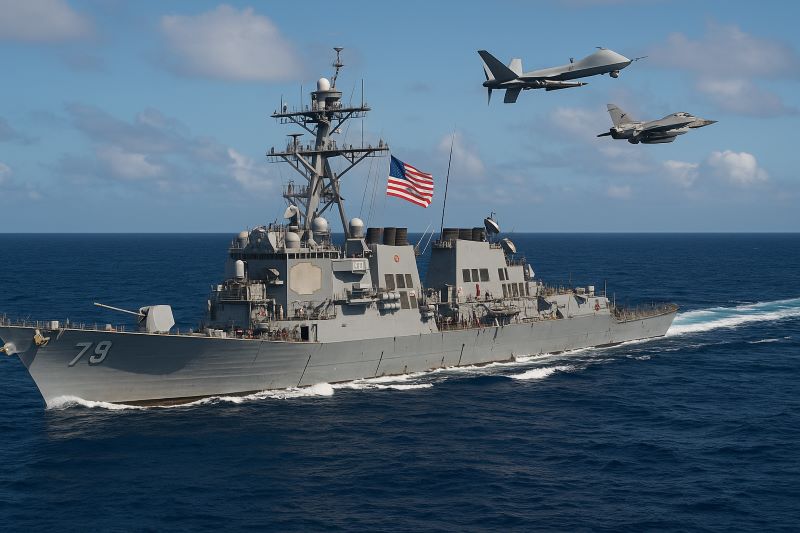
- The U.S. is also reinforcing its operational posture: deploying warships, submarines, drones, fighter aircraft, and special operations helicopters to the region.
- Washington has declared that it sees its operations as part of a “non-international armed conflict” against “unlawful combatants” associated with drug cartels.
- Venezuela has formally contested these actions at the U.N., accusing the United States of violations of sovereignty and unlawful use of force.
Threats to Air and Sea Traffic
1. Collateral Interference & Misidentification
Deploying high-speed aircraft, drones, and missiles in proximity to busy commercial air routes raises the risk of radar misidentification, communications confusion, or near-misses with civilian flights. The presence of military aircraft jockeying for position or loitering over sea zones could prompt commercial pilots to change altitudes or flight paths, increasing delays or hazards.
On the sea side, ships traversing international waters may be caught in exclusion zones, surveillance buffers, or interdiction corridors. Non-target vessels may face aggressive approaches, forced detours, or mistaken identity.
2. Sea Lanes Under Military Control
Naval vessels, launching operations or establishing patrol corridors, can restrict access to fishing zones, merchant shipping lanes, or marine traffic routes. Checkpoints, visual identification stops, or rules-of-engagement zones may displace or delay regional trade, logistics, and inter-island ferry services.
3. Escalation and Spillover
Operations targeting vessels near Venezuela or other jurisdictions could provoke retaliatory actions, air-defense engagements, or intercept responses from regional militaries. A misstep or overreach might spark confrontation between warships, fighter jets, or coastal defense systems.
4. Maritime Noise, Surveillance, and Security
Heightened sonar, radar, and electromagnetic activity can degrade small-boat navigation, fishing operations, and marine resource use. Constant surveillance may also trigger privacy, fishing-rights, and marine-ecosystem concerns among local communities.
Economic & Political Risks to Caribbean States
A. Trade & Shipping Delays
Many Caribbean economies depend heavily on sea cargo, ferries, container transits, and inter-island shipping. Even modest restrictions or increased security protocols raise costs, slow delivery, and reduce the competitiveness of goods. Delays in perishable cargo food, farm produce, and cold storage items, can impose losses and spoilage.
B. Perception & Insurance Premiums
The presence of military hardware may lead insurers to classify maritime zones as higher risk. Shipping firms may demand higher premiums, reroute voyages away from perceived danger, or avoid Caribbean ports altogether. Tourist and cruise ship sectors may react similarly if their routes are seen as unstable.
C. Sovereignty & Diplomacy Pressure
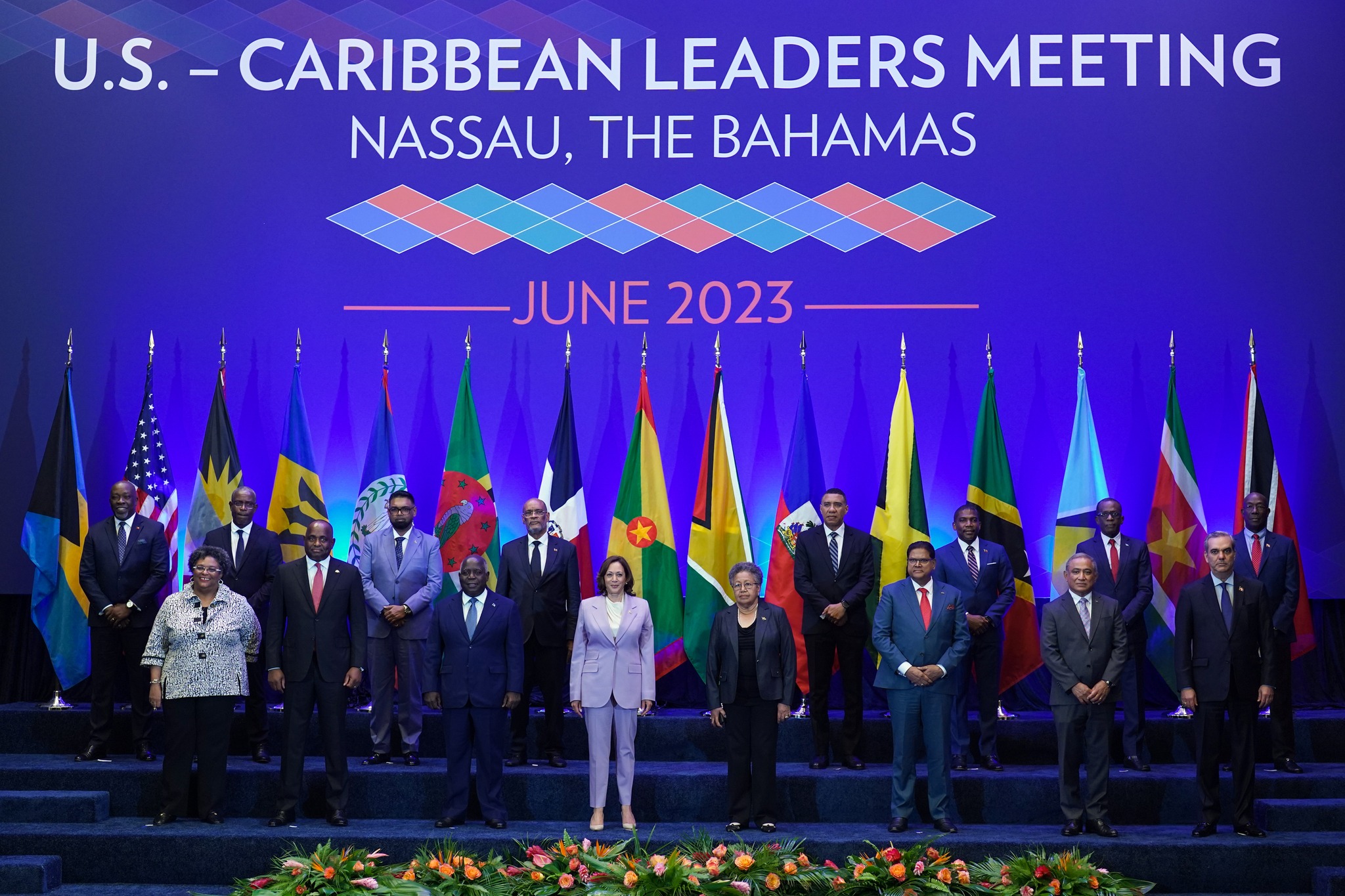
Small states may find themselves squeezed politically. Allowing U.S. overflights, base access, or joint operations may trigger public backlash or accusations of undermining sovereignty. Conversely, refusing cooperation could invite diplomatic tension or U.S. pressure. The balancing act is delicate, especially for states reliant on U.S. trade or aid.
D. Local Enforcement Displacement & Dependency
Heavy U.S. presence may overshadow or marginalize local enforcement agencies. Domestic coast guards, navy units, or customs agencies might be sidelined, losing institutional capacity or political legitimacy. Over time, states might come to rely on U.S. assets for their maritime security, reducing local autonomy.
E. Disruption to Fishing and Marine Livelihoods
Many communities in the Caribbean rely on fishing, small-boat trade, and marine harvesting. Military patrols, exclusion zones, or restricted access may limit fishing grounds, delay movements, or displace traditional routes, threatening subsistence and incomes.
Strategic & Legal Considerations
- The U.S. framing of drug-cartel engagement as “armed conflict” raises sharp legal questions under domestic and international law: are the targeted individuals combatants? What protections do they have as detainees?
- Sovereignty matters: strikes in or near territorial waters are being challenged by Venezuela at the U.N.
- Transparency and accountability are under pressure. Critics argue that the U.S. has provided limited evidence connecting the destroyed vessels to illicit trafficking.
- Escalation trajectory: once military assets are positioned, further missions airborne interdiction, remote surveillance, and temporary bases, may follow, making rollback challenging.
Looking Ahead: Recommendations for the Region
- Regional Dialogue & Norms
Caribbean states should convene a multilateral forum (via CARICOM, OECS, or CELAC) to establish protocols for foreign military activity in regional waters, notification mechanisms, engagement rules, liability protections, and airspace deconfliction. - Enhanced Air-Sea Traffic Coordination
Publish shared notices to mariners and aviation advisories, including temporary restricted zones, patrol schedules, and safety corridors to minimize civilian disruption. - Insurance & Risk Mitigation Workshops
Engage port authorities, shipping lines, and insurers to assess risk premiums and possible compensatory measures for delays or damage caused by military operations. - Capacity Building & Oversight
Ensure local maritime and aerial surveillance agencies remain active partners equipped with real-time data, legal authority, and institutional capacity to resist marginalization. - Legal Monitoring & Accountability
Invite independent observers, track detentions and outcomes of strikes, and prepare legal recourse policies if sovereignty or human rights violations arise. - Economic Buffering & Contingency Planning
Anticipate disruptions in trade and tourism; support contingency channels for critical imports; diversify logistics routes; and ensure social safety nets for affected fishing and maritime communities.
Conclusion
The U.S. military surge in the Caribbean, justified as an effort to curb cocaine smuggling, extends beyond narrow counter-drug logic. It is a power projection move into a region where fragile governance, open seas, and open skies intersect with powerful states. The threats to air and sea stability, regional economies, and sovereignty are real. How Caribbean nations respond by cooperation, caution, or resistance will shape both immediate risk and the longer arc of regional security and dignity.